
Hibiscus and Rosemary for Hair Care: Traditional Herbal Hair Routines

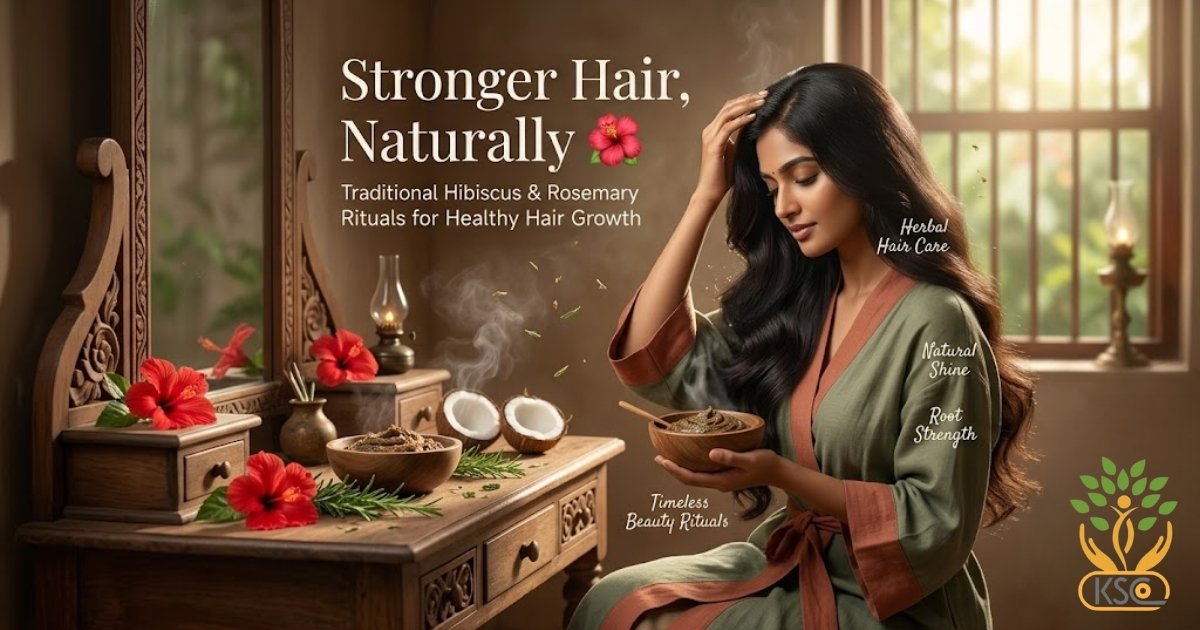
Traditional hair care in Tamil households has long relied on natural herbs, flowers, and plant-based ingredients instead of synthetic shampoos and conditioners. Among the most respected ingredients used in these routines are hibiscus and rosemary, both of which are widely appreciated for their role in natural hair care practices. For generations, these herbs have been used in homemade hair preparations, oil infusions, and herbal hair wash mixtures as part of weekly personal care routines.
In many homes, herbal hair care was not treated as an occasional practice but as an essential part of maintaining healthy-looking hair through simple, traditional methods. Hibiscus flowers, rosemary leaves, shikakai, and amla were commonly prepared using household recipes and used regularly.
Today, as people increasingly explore heritage-inspired beauty practices, hibiscus and rosemary continue to gain popularity as key ingredients in traditional hair care routines.
Why Traditional Hair Care Relied on Herbal Ingredients
Before commercial hair products became common, families depended on herbs and natural ingredients that were easily available and trusted through generations.
Traditional herbal hair care focused on:
- Weekly scalp cleansing
- Herbal hair wash powders
- Oiling routines
- Natural conditioning
- Hair nourishment through plant-based ingredients
These methods emphasized simplicity, consistency, and the use of ingredients rooted in traditional household practices.
Products such as Dry Hibiscus Flower, Dried Rosemary Leaves, Herbal Hair Wash Combo, and Herbal Hair Growth Support Combo from K Somu Chetty & Co reflect these long-standing traditions.
The Traditional Role of Hibiscus in Hair Care
Hibiscus, known for its use in South Indian beauty traditions, has long been a staple ingredient in herbal hair care routines.
Common Traditional Uses of Hibiscus:
Herbal Hair Wash Mixtures
Dried hibiscus flowers are often powdered and mixed into herbal hair wash pastes.
Hair Conditioning Pastes
Fresh or dried hibiscus is commonly used in homemade hair masks.
Herbal Oil Preparations
Hibiscus flowers are often infused into oils used in regular scalp care routines.
Weekly Hair Packs
Hibiscus powder may be combined with:
- Amla Powder
- Shikakai Powder
- Fenugreek
- Rosemary
At K Somu Chetty & Co, Dry Hibiscus Flower and Dry Hibiscus & Dry Rosemary Combo support these traditional practices.
The Traditional Role of Rosemary in Hair Care
Rosemary has become increasingly valued in herbal hair care due to its versatility and aromatic nature. While it may not have as long a history in Tamil traditions as hibiscus, rosemary is now commonly incorporated into herbal hair routines.
Common Traditional Uses of Rosemary:
Herbal Hair Oil Infusions
Dried rosemary leaves are often blended into oils.
Hair Rinse Preparations
Rosemary can be infused into herbal water rinses.
Herbal Hair Packs
Rosemary may be combined with:
- Hibiscus
- Amla
- Shikakai
Herbal Hair Wash Combos
Its use in modern traditional routines continues to expand.
At K Somu Chetty & Co, Dried Rosemary Leaves and herbal combos make rosemary more accessible for natural hair care routines.
Weekly Traditional Hibiscus and Rosemary Hair Routine
Step 1: Oil Preparation
Traditional hair care often begins with oiling.
Many people use:
- Herbal Hair Oil Mix
- Hibiscus-infused oil
- Rosemary-infused oil
This oil is gently massaged into the scalp and hair before washing.
Step 2: Herbal Hair Wash Powder
A cleansing paste can be prepared using:
- Hermix Shikakai Powder
- Dry Hibiscus Flower
- Dried Rosemary Leaves
- Amla Powder
These ingredients are mixed with water to create a paste and used as an herbal alternative to shampoo.
Step 3: Herbal Conditioning
Conditioning packs may include:
- Hibiscus powder
- Rosemary leaves
- Amla powder
- Rose water
This paste is applied after cleansing and then rinsed.
Step 4: Weekly Consistency
Many traditional routines recommend herbal hair care once or twice a week.
Consistency is considered more important than complexity.
Products from K Somu Chetty & Co That Support Traditional Hair Care
For those looking to build a traditional herbal hair routine, K Somu Chetty & Co offers:
- Dry Hibiscus Flower
- Dried Rosemary Leaves
- Hermix Shikakai Powder
- Amla Powder
- Herbal Hair Wash Combo
- Herbal Hair Growth Support Combo
- Herbal Hair Oil Mix
- Avuri Powder
- Henna Powder
These products can be combined in various ways to support personalized herbal hair care routines.
Why Herbal Hair Care Is Popular Again
Natural hair care routines are gaining attention because they:
- Reflect traditional wellness practices
- Use recognizable plant ingredients
- Support simple personal care methods
- Connect modern lifestyles with heritage beauty wisdom
People exploring Organic Herbal Products often choose herbal hair care as an alternative to heavily commercialized routines.
Many also prefer to Buy Herbal Products Online from heritage brands that preserve traditional preparation methods.
Tips for Beginners
Start with Simple Combinations
Begin with hibiscus and shikakai before adding multiple ingredients.
Use Fresh Preparations
Traditional herbal pastes are usually prepared fresh.
Follow Weekly Routines
Consistency is key.
Choose Authentic Ingredients
Selecting trusted herbal products helps maintain traditional quality.
Why Choose K Somu Chetty & Co
K Somu Chetty & Co is known for offering heritage-inspired herbal products rooted in traditional South Indian practices.
Our hair care offerings reflect:
- Traditional herbal knowledge
- Authentic ingredient sourcing
- Natural formulations
- Heritage wellness values
This makes K Somu Chetty & Co a trusted destination for Natural Herbal Products and traditional hair care solutions.
Conclusion
Hibiscus and rosemary continue to play an important role in traditional herbal hair care routines, offering a simple yet meaningful approach to natural personal care. By combining these herbs with ingredients such as shikakai, amla, and herbal oils, individuals can create hair care routines inspired by generations of beauty wisdom.
These heritage-inspired practices remain relevant today for those seeking natural, culturally rooted hair care methods that prioritize simplicity and authenticity.
FAQs
How is hibiscus traditionally used for hair care?
Hibiscus is commonly used in herbal hair packs, hair wash powders, and oil infusions.
Can rosemary be combined with hibiscus?
Yes, rosemary and hibiscus are often used together in herbal hair care routines.
What products support herbal hair care routines?
Dry Hibiscus Flower, Dried Rosemary Leaves, Hermix Shikakai Powder, Amla Powder, and Herbal Hair Wash Combo are commonly used.
How often should herbal hair routines be followed?
Many traditional practices include herbal hair care once or twice a week.
Where can I buy traditional herbal hair care products?
You can Buy Herbal Products Online from trusted heritage brands like K Somu Chetty & Co.


