
Introduction
Natural skin care has been a part of traditional Tamil households for generations. Long before commercial creams and cleansers became common, people relied on herbal powders made from plants, roots, flowers, and natural minerals to care for their skin. These powders were simple, effective, and easy to prepare at home. Even today, many families continue these practices as part of their weekly beauty routine.
Herbal powders are appreciated for their natural ingredients and versatility. When used properly, they can be mixed into face packs, cleansers, and gentle exfoliants suitable for different skin types. If you are new to natural skincare, learning how to use herbal powders correctly can help you build a simple and effective routine using trusted traditional ingredients.
What Are Herbal Powders?
Herbal powders are finely ground natural ingredients derived from herbs, roots, flowers, and seeds. These powders are commonly used in traditional beauty routines and are valued for their simplicity and natural composition.
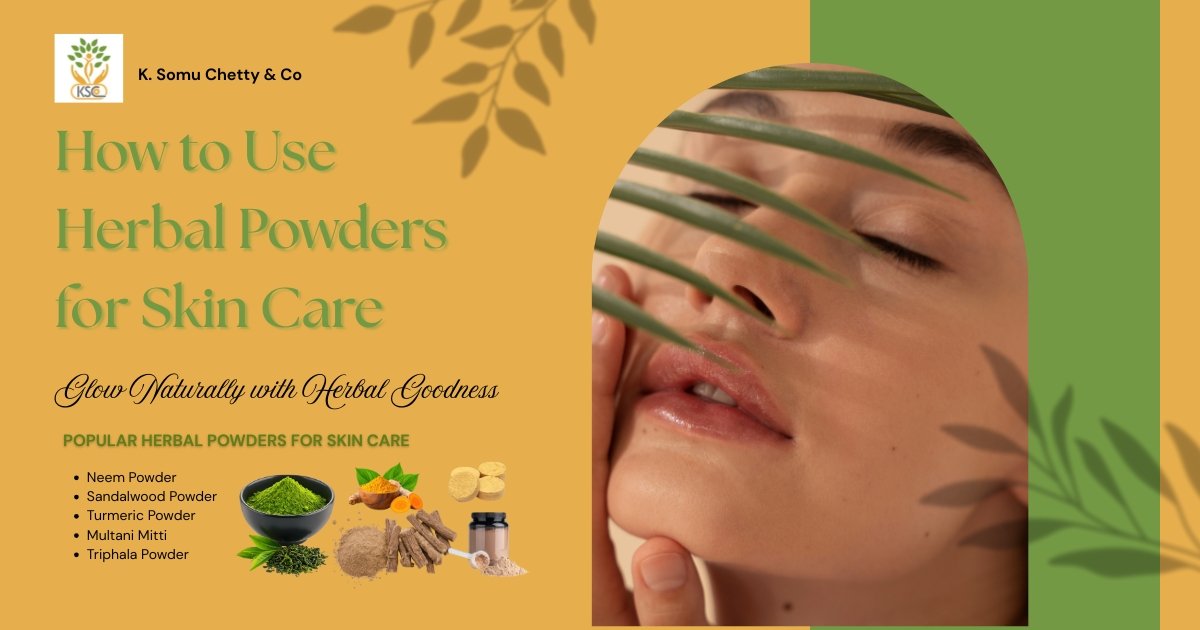
Some of the most widely used herbal powders in skincare include:
- Turmeric powder
- Multani mitti (Fuller’s earth)
- Rose petal powder
- Neem powder
- Vetiver powder
- Sandalwood powder
Each ingredient has its own characteristics, which makes it suitable for different skincare purposes. In many Tamil homes, these powders are mixed with simple ingredients like water, rose water, milk, or yogurt to create natural face packs.
Why Herbal Powders Are Popular in Traditional Skincare
Herbal powders remain popular because they are simple, flexible, and rooted in long-standing traditions. Many households prefer these ingredients because they allow people to prepare their own skin care mixtures without relying on synthetic products.
Some reasons herbal powders are widely used include:
- They are made from natural ingredients
- They can be customized for different skin types
- They are easy to mix into face packs or cleansers
- They are part of traditional beauty routines passed through generations
For beginners exploring natural skin care, herbal powders offer a gentle introduction to traditional practices.
Common Herbal Powders Used for Skin Care
Turmeric Powder
Turmeric has been a staple ingredient in traditional skincare rituals for centuries. It is commonly used in face packs prepared during family celebrations, bridal rituals, and weekly beauty routines.
Multani Mitti
Multani mitti, also known as Fuller’s earth, is widely used as a natural clay mask. It is often included in face packs that help cleanse and refresh the skin.
Rose Petal Powder
Rose petal powder is known for its pleasant natural fragrance and soothing properties. It is frequently mixed into face packs to create gentle skincare preparations.
Neem Powder
Neem powder is commonly used in traditional skin care routines and is often included in face masks prepared with water or yogurt.
Vetiver Powder
Vetiver, known locally as vettiver, is a cooling herb used in many natural skincare practices across South India.
These ingredients are widely available as part of Natural Herbal Products offered by traditional herbal stores.
Simple Ways to Use Herbal Powders for Skin Care
Herbal powders can be used in several simple ways. Beginners often start with basic mixtures before experimenting with more complex combinations.
1. Herbal Face Pack
The most common way to use herbal powders is by preparing a face pack.
A simple method involves:
- Taking one or two teaspoons of herbal powder
- Mixing it with water, rose water, or milk
- Creating a smooth paste
- Applying it evenly on the face
- Washing it off after it dries
Many traditional face packs combine multiple powders such as turmeric and rose powder.
2. Natural Face Cleanser
Some herbal powders can also be used as a mild cleansing paste. Instead of using chemical-based face washes, traditional routines often involve applying a small amount of herbal powder mixed with water.
The mixture is gently massaged onto the skin and then rinsed with water.
3. Gentle Exfoliation
Certain herbal powders have a slightly grainy texture, making them useful for mild exfoliation.
When mixed into a paste, they can help remove surface impurities and leave the skin feeling refreshed.
How to Choose the Right Herbal Powder
Choosing the right herbal powder depends on your skin type and personal preference. Beginners usually start with simple ingredients before trying different combinations.
Some general guidelines include:
For oily skin
Clay-based powders like multani mitti are commonly included in face packs.
For dry skin
Herbal powders can be mixed with milk or yogurt to create a nourishing paste.
For normal skin
Mild ingredients like rose petal powder or sandalwood powder are often preferred.
Experimenting with small quantities can help you find combinations that suit your skin.
Tips for Beginners Using Herbal Powders
If you are new to herbal skincare, these tips can help you start comfortably.
Start with one ingredient
Instead of mixing many powders together, begin with a single herbal powder to understand how your skin responds.
Use fresh mixtures
Herbal face packs are usually prepared fresh before use rather than stored for long periods.
Apply gently
When applying herbal pastes, avoid harsh rubbing or scrubbing.
Use regularly but moderately
Many traditional routines involve using herbal powders once or twice a week rather than daily.
How to Store Herbal Powders Properly
Proper storage helps maintain the quality and freshness of herbal powders.
Keep these tips in mind:
- Store powders in airtight containers
- Keep them in a cool, dry place
- Avoid exposing them to moisture
- Use clean, dry spoons when handling powders
High-quality Organic Herbal Products are typically prepared and packaged carefully to preserve their natural characteristics.
Why Traditional Herbal Powders Are Still Popular Today
Even in modern skincare routines, herbal powders continue to attract interest because of their simplicity and cultural heritage. Many people appreciate the idea of using ingredients that have been part of traditional households for generations.
Instead of complicated beauty routines, herbal powders allow individuals to prepare simple face packs using ingredients they understand and trust. This connection to tradition is one of the reasons natural skincare continues to grow in popularity.
Those exploring traditional skincare often prefer to Buy Herbal Products Online from trusted heritage brands that maintain authenticity and quality.
Conclusion
Herbal powders are a timeless part of natural skincare traditions in Tamil households. Their versatility, simplicity, and cultural significance make them a valuable addition to modern skincare routines as well. For beginners, starting with a few basic herbal powders and learning simple preparation methods can help build a natural skincare routine inspired by traditional practices.
By choosing authentic herbal ingredients and preparing fresh face packs at home, you can experience a skincare approach that has been valued for generations.
FAQs
What are herbal powders used for in skincare?
Herbal powders are commonly used in natural face packs, cleansers, and gentle exfoliating mixtures prepared using traditional ingredients.
Can beginners use herbal powders for skin care?
Yes, herbal powders are often used in simple skincare routines and can be easily mixed with water, milk, or rose water to prepare face packs.
How often should herbal powders be used on the skin?
Many traditional routines use herbal face packs once or twice a week as part of regular skincare practices.
Can different herbal powders be mixed together?
Yes, several traditional face packs combine multiple herbal powders such as turmeric, rose powder, or sandalwood powder.
How should herbal powders be stored?
They should be stored in airtight containers in a cool, dry place away from moisture.