
Dhoop Sticks in Traditional Worship: Understanding Fragrances Like Dasangam, Javadhu, and Ratnamala

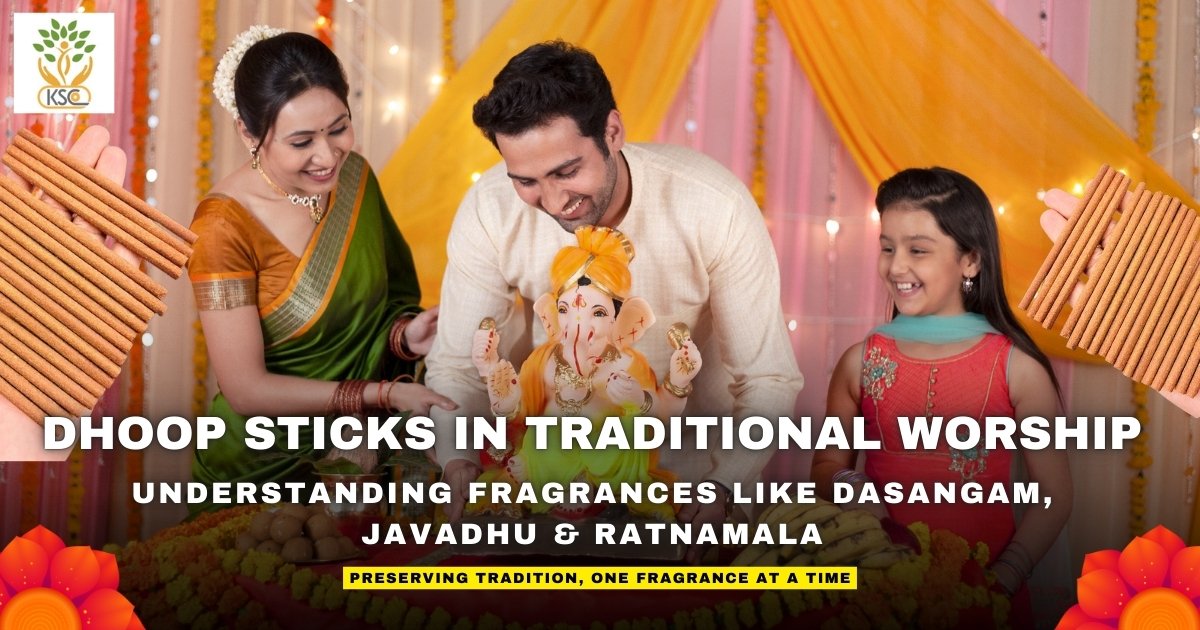
Introduction
In Tamil households, fragrance has always played a quiet but important role in daily worship. Dhoop sticks are not used merely to scent a space, but to support prayer, focus, and discipline during pooja. Long before the arrival of modern incense varieties, traditional dhoop fragrances such as dasangam, javadhu, and ratnamala were carefully chosen based on custom, familiarity, and purpose. These fragrances continue to be used today because they align naturally with traditional worship practices.
The Role of Dhoop in Tamil Pooja
Dhoop sticks are usually lit during morning and evening pooja, often after cleaning the pooja space and lighting the vilakku. The smoke from dhoop is gentle and steady, creating a settled atmosphere for prayer. Unlike strong perfumes, traditional dhoop is meant to remain in the background, supporting devotion rather than drawing attention.
Why Fragrance Matters in Worship
In traditional belief, fragrance helps prepare the mind for prayer. Familiar aromas signal the beginning of worship and help the mind move away from daily distractions. Over time, families develop a preference for certain dhoop fragrances, often using the same one consistently for years. This continuity strengthens the emotional and cultural connection to worship.
Dasangam: A Classic Temple Fragrance
Dasangam is one of the most commonly recognised traditional fragrances. It is often associated with temples and old pooja rooms. The aroma is rich but balanced, neither sharp nor overpowering. Many families prefer dasangam for regular pooja because it closely resembles the fragrance experienced in traditional temple settings.
Javadhu: Soft and Familiar
Javadhu fragrance is gentle and comforting. It has long been used in personal and devotional contexts in Tamil culture. When used in dhoop form, javadhu creates a calm and intimate atmosphere, making it suitable for daily worship at home. Families who prefer subtle fragrances often choose javadhu for morning or evening prayers.
Ratnamala: Traditional and Steady
Ratnamala fragrance is deeply rooted in traditional worship practices. It is often described as steady and grounded. Many elders prefer ratnamala because it reminds them of old pooja rooms and long-established routines. The fragrance does not change sharply while burning, making it suitable for longer prayer sessions.
Choosing the Right Dhoop for Daily Use
Traditional households do not select dhoop based on novelty. The choice is usually guided by familiarity and comfort. Mild, steady fragrances are preferred for daily pooja, while slightly richer aromas may be used during festivals or special prayers. This balance ensures that worship remains calm and focused.
Dhoop Versus Agarbatti
While both dhoop and agarbatti are used in worship, dhoop sticks are often preferred for their deeper, more settled aroma. Traditional dhoop produces thicker smoke and burns more slowly, making it suitable for devotional use rather than casual fragrance.
Use of Dhoop During Festivals and Special Occasions
During festivals, special poojas, and auspicious days, families may choose a fragrance they associate with celebration or temple visits. Dasangam and ratnamala are especially common during such times, as they reinforce the sanctity of the occasion.
Continuing the Tradition in Modern Homes
Even in modern homes, many families continue using traditional dhoop because it connects them to their roots. The practice also aligns naturally with choosing Organic Herbal Products that respect heritage and simplicity, rather than artificial alternatives.
Final Thoughts
Traditional dhoop fragrances like dasangam, javadhu, and ratnamala are not chosen at random. Each has a place in Tamil worship based on familiarity, balance, and cultural memory. Continuing their use helps preserve the quiet discipline and depth of traditional pooja practices.
FAQs
Why are traditional dhoop fragrances preferred for pooja?
They create a calm and familiar atmosphere that supports focused prayer.
Is dasangam suitable for daily worship?
Yes, many households use dasangam regularly for morning and evening pooja.
What makes javadhu different from other fragrances?
Javadhu has a softer, more personal aroma often preferred for home worship.
Can different dhoop fragrances be used on different days?
Yes, families often choose based on occasion and personal preference.Is dhoop still relevant in modern homes?
Is dhoop still relevant in modern homes?
Yes, many households continue the practice as part of their daily routine.


